
Balaji Provide
ISPs and CDNs

Balaji-IX is new entrant in the IXP business and started its operation in the City of Joy i.e. KOLKATA.

dexon
dexon
dexon
dexon

Balaji-IX

Balaji-IX is new entrant in the IXP business and started its operation in the City of Joy i.e. KOLKATA.

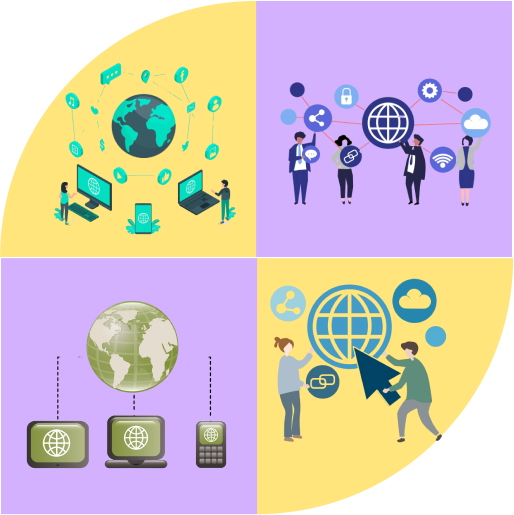
An Internet Exchange Point (IXP) is a physical location where Internet Service Providers (ISPs), Content Delivery Networks (CDNs) and other telecom network infrastructure companies connect to exchange traffic among themselves. IXPs are mostly located in data centres, which are already connected to multiple networks. 

dexon

Reduce latency

dexon

Improve routing efficiency

dexon

Make the internet faster and more affordable

dexon

Network Neutral

Balaji-IX

Balaji-IX is new entrant in the IXP business and started its operation in the City of Joy i.e. KOLKATA.

An Internet Exchange Point (IXP) is a physical location where Internet Service Providers (ISPs), Content Delivery Networks (CDNs) and other telecom network infrastructure companies connect to exchange traffic among themselves. IXPs are mostly located in data centres, which are already connected to multiple networks. 

dexon

Reduce latency

dexon

Improve routing efficiency

dexon

Make the internet faster and more affordable

dexon

Network Neutral

Corporate Office

The Meridian, 12th Floor, E-2-4, GP Block, Sector V, Bidhannagar, Kolkata, West Bengal 700091, India

Head Office

Balaji House, 1st Floor, 8/1 Khosbagan, Surya Road, PO - Agartala Tripura 799001, India

Tarriffs

Ports BALAJI-IX
500M 6000
1 Gig 10000
2 Gig 16000
3 Gig 20000
4 Gig 23000
5 Gig 26000
6 Gig 29000
10 Gig 45000
20 Gig 80000
40 Gig 150000
100 Gig 220000

Frequently Asked Questions

  • What is an Internet Exchange?

    An Internet Exchange (IX) is a physical infrastructure that allows multiple Internet Service Providers (ISPs) and networks to connect and exchange traffic with each other. This interconnection helps improve the efficiency and speed of data transmission across the internet.

  • How does an Internet Exchange work?

    An Internet Exchange operates by providing a neutral meeting point where different networks can connect. When two networks peer at an IX, they can exchange traffic directly without needing to route it through third-party networks, reducing latency and costs.

  • What are the benefits of using an Internet Exchange?

    Improved Performance: Direct peering reduces latency and improves data transfer speeds.
    Cost Savings: By exchanging traffic directly, networks can lower their transit costs.
    Increased Redundancy: IXs provide multiple connection options, enhancing network reliability.
    Diverse Connectivity: Participants gain access to a wide range of networks, improving reach and service offerings.

  • Who can participate in an Internet Exchange?

    Typically, any organization that operates a network, including ISPs, content delivery networks (CDNs), cloud service providers, and enterprises, can participate in an Internet Exchange. However, each IX may have specific membership requirements.

  • What equipment is needed to connect to an Internet Exchange?

    To connect to an IX, participants generally need networking equipment such as routers and switches, as well as appropriate cabling. They also need to configure their equipment to support peering and adhere to the IX’s technical requirements.

  • What is peering, and how does it relate to
    Internet Exchanges?

    Peering is the practice of two networks connecting to exchange traffic directly. Internet Exchanges facilitate peering by providing a common platform where multiple networks can interconnect and share traffic without incurring transit fees.

  • Are there any costs associated with joining an
    Internet Exchange?

    Costs can vary depending on the Internet Exchange. Common fees may include membership fees, port fees for connecting equipment, and possibly monthly charges. It’s essential to review the IX’s pricing structure before joining.

  • How is traffic managed at an Internet
    Exchange?

    Traffic at an Internet Exchange is managed through routing protocols, typically Border Gateway Protocol (BGP). Participants configure their routers to establish peering sessions, allowing for efficient traffic flow between networks.

  • What security measures are in place at
    Internet Exchanges?

    Internet Exchanges implement various security measures, including physical security for their facilities, network monitoring, and access controls. Participants are also encouraged to follow best practices for securing their own networks.

  • How can I find an Internet Exchange near me?

    You can find information about Internet Exchanges through online resources such as the Internet Exchange Federation (IX-F) or the PeeringDB database, which lists IXs globally along with their locations and contact information.

  • Can I connect to multiple Internet Exchanges?

    Yes, many organizations choose to connect to multiple Internet Exchanges to enhance redundancy, increase connectivity options, and improve overall network performance.

  • What role do Internet Exchanges play in
    the global internet ecosystem?

    Internet Exchanges are crucial for the Internet's infrastructure, as they facilitate efficient data exchange between networks, reduce reliance on expensive transit providers, and contribute to a more resilient and interconnected global Internet.

Contact Us

If you have any questions, feedback, or need assistance, please don’t hesitate to reach out!

Our team is here to help with any inquiries and ensure you have the best experience possible. You can contact us by phone at +91 98311 81998, via email at info@balaji-ix.in, or through our contact form on this page.

We look forward to hearing from you and will get back to you as soon as possible.

dexon

info@balaji-ix.in

Email Us

dexon

+91 98311 81998

Call Us